

From One Brief to 20 Ad Variants: How AI Multiplies Your Creative Output

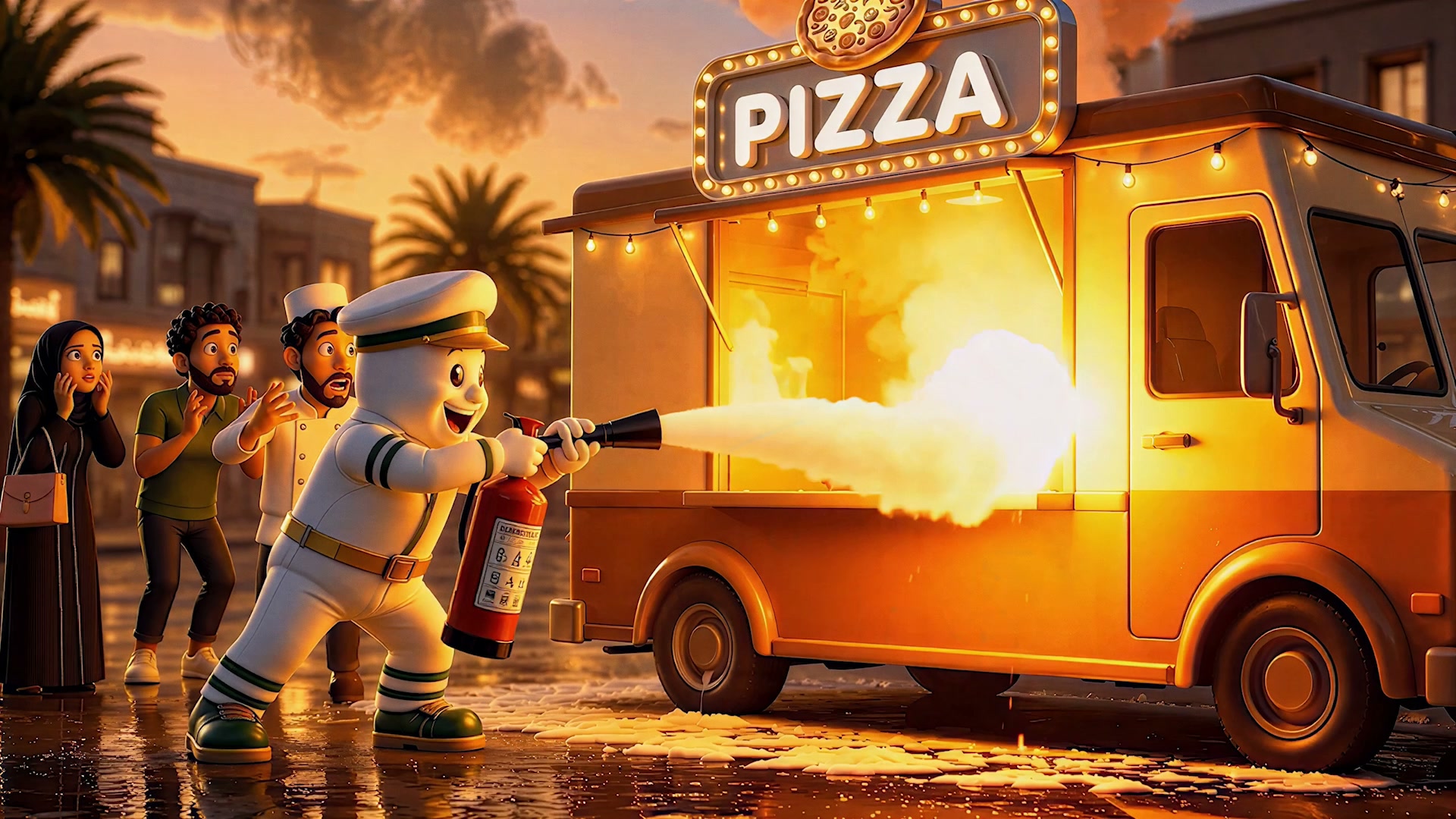
Performance marketers know the problem. You have one approved brief, one finished commercial, and a media plan that needs 15 different creative versions before launch. With traditional production, that brief gets you one ad. With AI video production, it can get you 20 — all on-brief, all broadcast-quality, produced in a fraction of the time.
This is not a future promise. Saudi brands are already running AI-produced variant sets across Meta, TikTok, Snapchat, and YouTube. This article explains how the variant workflow operates, what you can actually test, and how to brief a studio to get the most from it.
Why creative variant volume changes campaign performance
Every major paid media platform now distributes budget toward creative that earns early positive signal — high completion rates, low skip rates, strong click-through. The algorithm learns fast. If you enter the auction with three variants, you get limited data on three creative hypotheses. If you enter with 20, you learn more in the first 72 hours than many brands learn in a full campaign cycle.
The variant advantage is structural. A media team can identify a winning hook, a winning setting, or a winning CTA within the first week — and shift spend accordingly before the bulk of the budget is committed. That speed requires production to move just as fast. AI video production removes the traditional bottleneck: generating 15 additional scene variations no longer means 15 additional production days.
What changes between variants — and what stays fixed
An AI variant set works like a controlled experiment. The core brief, brand identity, and product message stay constant across every version. What changes is a defined set of creative variables:
- The opening hook. The first two to three seconds determine whether the viewer keeps watching. Testing three to five distinct hooks is the single highest-leverage variable in most campaigns.
- Setting and background. The same talent or product, placed in a different environment — kitchen versus café, outdoor versus studio — can shift the emotional register entirely.
- Music and pacing. A track-led edit carries a different brand feeling than a voice-over-led one, even with identical visuals.
- Call-to-action framing. "Shop now" and "See the range" target different moments in the buyer journey.
- Product angle and proximity. Close-up detail shots versus lifestyle context shots serve different objectives within the same campaign.
In AI video production, each of these variables can be swapped at the scene level without rebuilding the entire spot. The pipeline regenerates the specific element and composites it back into the master timeline. Quality remains consistent because the foundational creative — character sheets, lighting style, brand palette — is locked before any variation begins.
How a variant brief differs from a single-spot brief
The shift in how you brief is as important as the production method. A variant brief does not describe 20 individual spots. It describes a master version and a variable map.
A practical structure: start with the hero version as the approved anchor — the one your creative team has signed off on. Then define your test axes. Three different hooks, two different settings, and two different CTAs gives you 12 logical permutations. You choose which combinations are worth producing (not all 12 may be strategically useful). The studio builds the master and then runs the variable set against it.
For the Nada Greek Kefir campaign — an F&B launch produced with Media Zone — Sadara Studio's AI pipeline delivered multiple finished creative executions from a single production run, with different framing and tone suited to different placement contexts. The production run that would have taken weeks in traditional production closed in days.
The brief itself should name the test variables explicitly, not leave them open. The clearer the variable map, the more useful the variant set is to the media team that buys against it.
Managing review and approval at scale
Twenty variants create an internal review challenge if the process is not structured in advance. The most effective approach: approve the master version through the full creative review cycle, then review the variant set as a batch against the approved master — not each variant independently.
Reviewers check that every variant holds brand guidelines, maintains product accuracy, and fits the approved tone. Deviations from the master are the only points of focus. This compresses a potential 20-round review cycle into one structured session.
Sadara Studio provides a structured output format for variant review — each version labelled by its variable combination, making it straightforward to brief the media team on which variant maps to which test hypothesis.
Frequently asked questions
How many variants can AI video production realistically produce in one run?
The practical range for a single campaign brief is 10 to 30 variants, depending on how many creative variables are in scope. Most performance marketing teams find that 15 to 20 variants provide enough signal diversity without overwhelming the media buying process. The upper limit is a media-planning decision, not a production constraint.
Do all variants look visually consistent with each other?
Yes — when the production is properly structured. Because every variant is generated from the same master character sheets, colour grading, and lighting reference, the visual identity stays consistent across the set. The variants feel like they belong to the same campaign, which is essential for building brand recognition across placements.
Can the brand review and approve each variant individually?
Yes, but most teams find a batch review process faster and more useful. Reviewing variants against the approved master — rather than in isolation — focuses attention on the creative variables being tested, which is the relevant decision for a media team. Sadara Studio structures deliverables to support either review approach.
Is AI variant production only suited to short-form social ads?
Short-form is where the performance-marketing use case is clearest, see Sadara Studio's guide to AI short-form video for Saudi brands for platform-specific detail on Snapchat, TikTok, and Reels, but the same workflow applies to any format where multiple versions are needed: product demo cuts, platform-specific aspect ratios (16:9 and 9:16), language versions for Arabic and English, or seasonal refreshes of an existing master spot.
Brief Sadara Studio on your next variant set
If your media plan calls for more creative variants than your production process can currently deliver, AI video production changes what's possible. Sadara Studio works with brand managers and media agencies in Riyadh and Jeddah to produce variant sets that are ready to test on launch day — not weeks after.
Get in touch with Sadara Studio to discuss your next campaign brief and what a variant production run could look like for your brand.
Related Articles





Sadara
Studio

