

AI Product Films for DTC Brands: From Product Page to Paid Social in One Brief

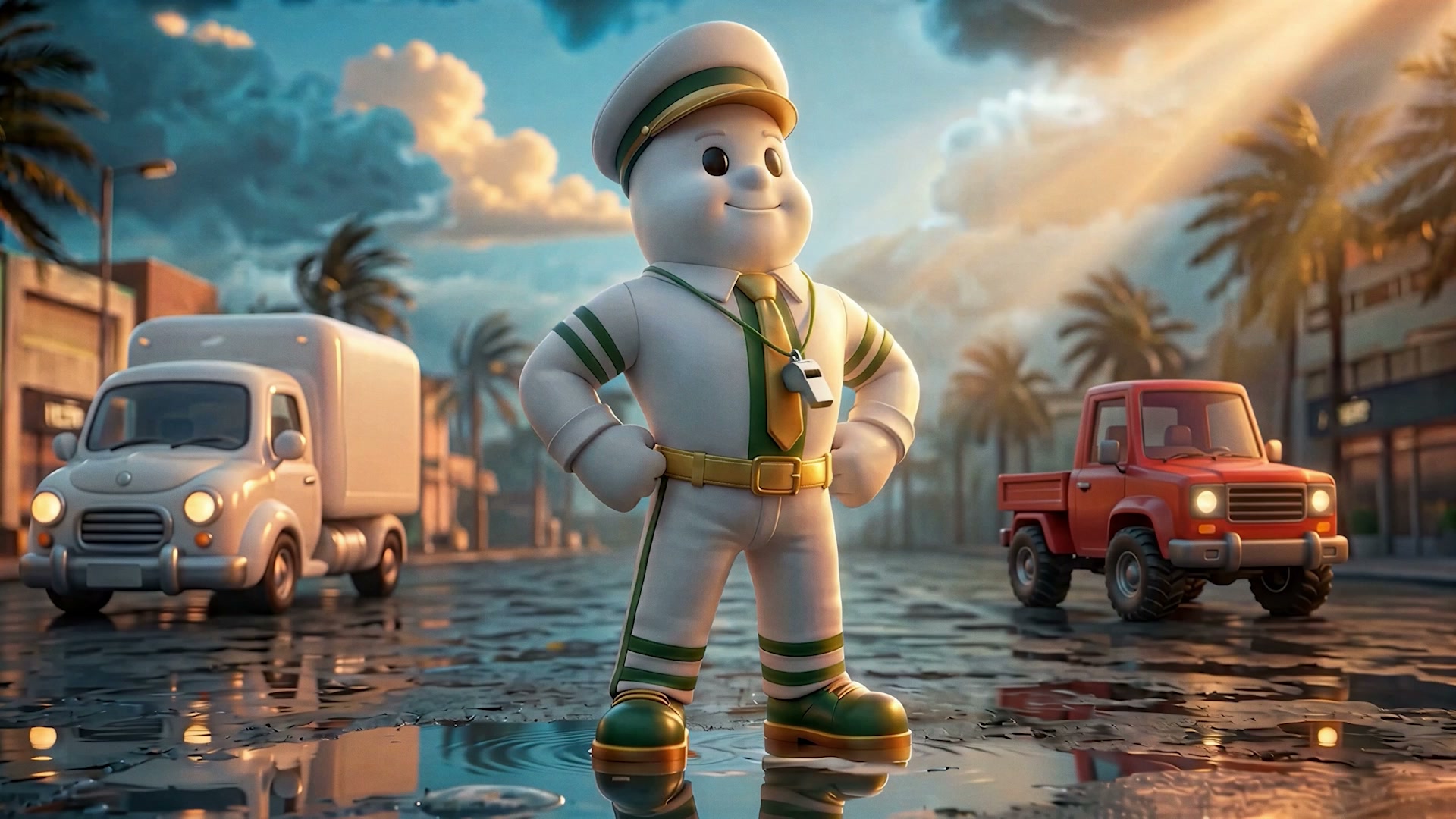
A DTC brand briefing a product film usually needs more than one asset: a hero video for the product page, a square or vertical cut for paid social, and a shorter cutdown for retargeting. Running that as three separate requests means three rounds of notes, three delivery dates, and a product that looks slightly different in each one. An AI production studio solves this by treating the product film as one brief that outputs every format the media plan needs, built from the same casting, lighting, and art direction so the product looks identical on the page, in the feed, and in the story.
Why One Brief Should Produce Every Asset You Need
A product launch rarely needs just a hero video. It needs a 16:9 cut for the product page and YouTube, a 9:16 cut for Stories and Reels, and often a square or near-square cut for feed placements. Briefed separately, each version risks drifting: a different grade, a slightly different framing, a product that reads as "close enough" rather than consistent. Briefed once, with every deliverable defined up front, the lighting setup, product turntable, and art direction are locked a single time and then reframed and recut for each format. The product looks the same everywhere a shopper encounters it, which matters more for conversion than any single cut looking good in isolation.
From Packshot to Motion: What a DTC Product Film Pipeline Actually Does
A real AI product film pipeline runs in stages, just compressed compared with a traditional shoot: the product is modeled and lit to match real packaging and material detail, a set or environment is art-directed to match the brand's world, camera moves and pacing are planned against the brief, and the cut is graded to match the brand's existing visual system rather than introducing a new look. Sadara Studio's approach to AI product demo video follows the same logic for e-commerce and retail: the production pipeline is the thing that makes the output usable, not the generation step alone.
Built for Paid Social: Cutdowns, Captions, and Platform-Specific Framing
Paid social performance depends on the first second holding attention, and that first second looks different on a product page than it does mid-scroll in a feed. A product film built for paid social from the start can lead with the hook, not the logo; frame the product so it reads clearly in a 9:16 crop, not just a wide 16:9 master cropped down after the fact; and leave space for captions and platform UI rather than fighting with it. Because the underlying film is built from a locked set and a consistent product model, iterating a new hook or a new cutdown for a different placement doesn't mean restarting production. It means recutting from assets that already exist.
Studio-Led AI, Not a Tool You Operate Yourself
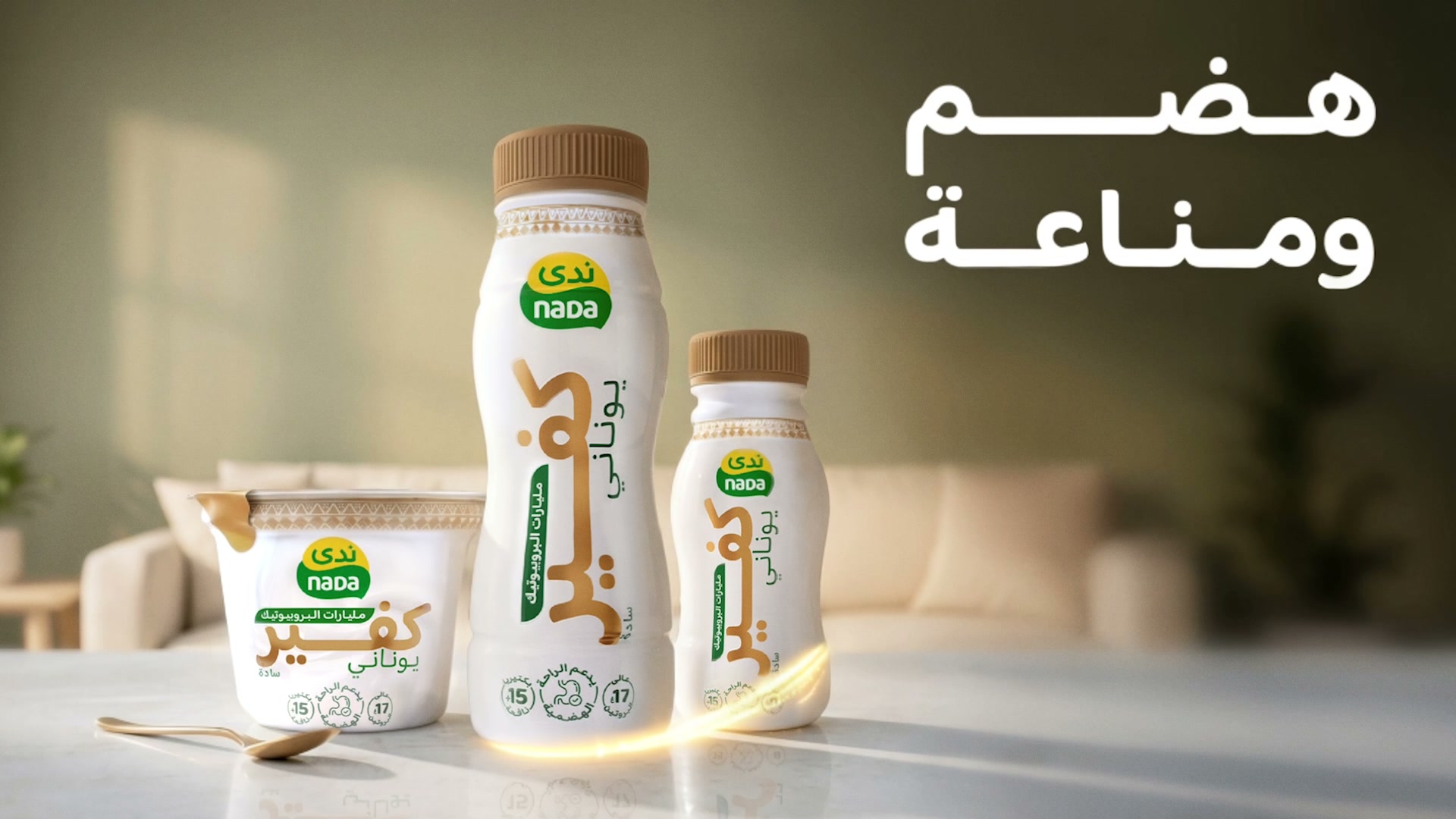
A generation tool can produce a clip from a prompt, but someone still has to direct it: choose the right angle on the product, keep the material and color accurate to what actually ships, and make sure the pacing matches how the brand's other assets move. Sadara Studio runs AI production as a studio service, not a self-serve tool: a producer owns the brief end to end, a director sets the look and pacing, and the output is reviewed against the brand's existing system before it's handed back. Sadara Studio's work for Nada Greek Kefir shows what that looks like end to end, a full casting-to-keyframe sample built in under 35 hours, then a finished, premium film delivered in weeks. The same pipeline applies to a DTC product film: the brief defines every deliverable once, and the studio runs the production, review cycles, and delivery remotely, overnight, across time zones.
Frequently asked questions
Can one AI product film brief really cover the product page, paid social, and email at once?
Yes, as long as every format is specified at the brief stage. The art direction, lighting, and product model are built once, then reframed, recut, and regraded per format, so the brand looks consistent everywhere without separate productions.
How is this different from using an AI video generation tool directly?
A tool gives you a clip from a prompt; a studio gives you a producer and director who own the brief, keep the product accurate to what actually ships, and deliver a reviewed, finished set of assets rather than a raw output you still have to edit and fit to each platform yourself.
Does Sadara Studio work with DTC brands outside Saudi Arabia?
Yes. Sadara Studio is based in Riyadh, working with brands and agencies in other markets through a remote process: briefing calls on your schedule, async review across time zones, and overnight delivery.
What does a DTC brand need to send in the brief?
Real product references, the final formats and aspect ratios the media plan needs, and any existing brand guidelines for color, pacing, and tone, so the film matches what the brand already has rather than introducing a new look to review.
Start a project
If your next product launch needs a hero film, paid social cutdowns, and consistent product detail across every format, from one brief, talk to Sadara Studio about scoping the deliverables your media plan actually needs.
Related Articles


Sadara
Studio

