

AI Video Production for Qatar Brands: Hospitality, Retail and National Campaigns


Qatar hospitality groups, retail chains and national-campaign marketers searching for video production in Qatar are usually up against the same problem: a fixed date on the calendar, whether that is a hotel opening, a seasonal retail push, or Qatar National Day on December 18, and a traditional shoot or CGI build that cannot move fast enough to hit it. AI video production solves that timing problem directly. A full casting, environment and animation pipeline compresses into weeks rather than months, and it can be briefed and reviewed entirely remotely, which matters for a market where the studio behind the work is not based on the ground.
Why Qatar's hospitality and retail calendar rewards a faster production model
Qatar's marketing calendar is dense with fixed dates: hotel and resort openings tied to a tourism season, mall and retail activations around National Day and the winter shopping period, and government or semi-government national campaigns that run on an announcement schedule nobody controls. A traditional CGI build typically needs months of modeling and rigging before a single shot is locked, which forces a marketing team to commit to a concept long before the date it is meant to serve. AI video production removes that lag. The same casting, environment and product-presentation work a traditional studio would spend months on happens against an approved brief in a fraction of the time, so a hospitality group or retail brand can see moving reference well ahead of a comparable traditional quote.
What the pipeline actually delivers for a Qatar brief
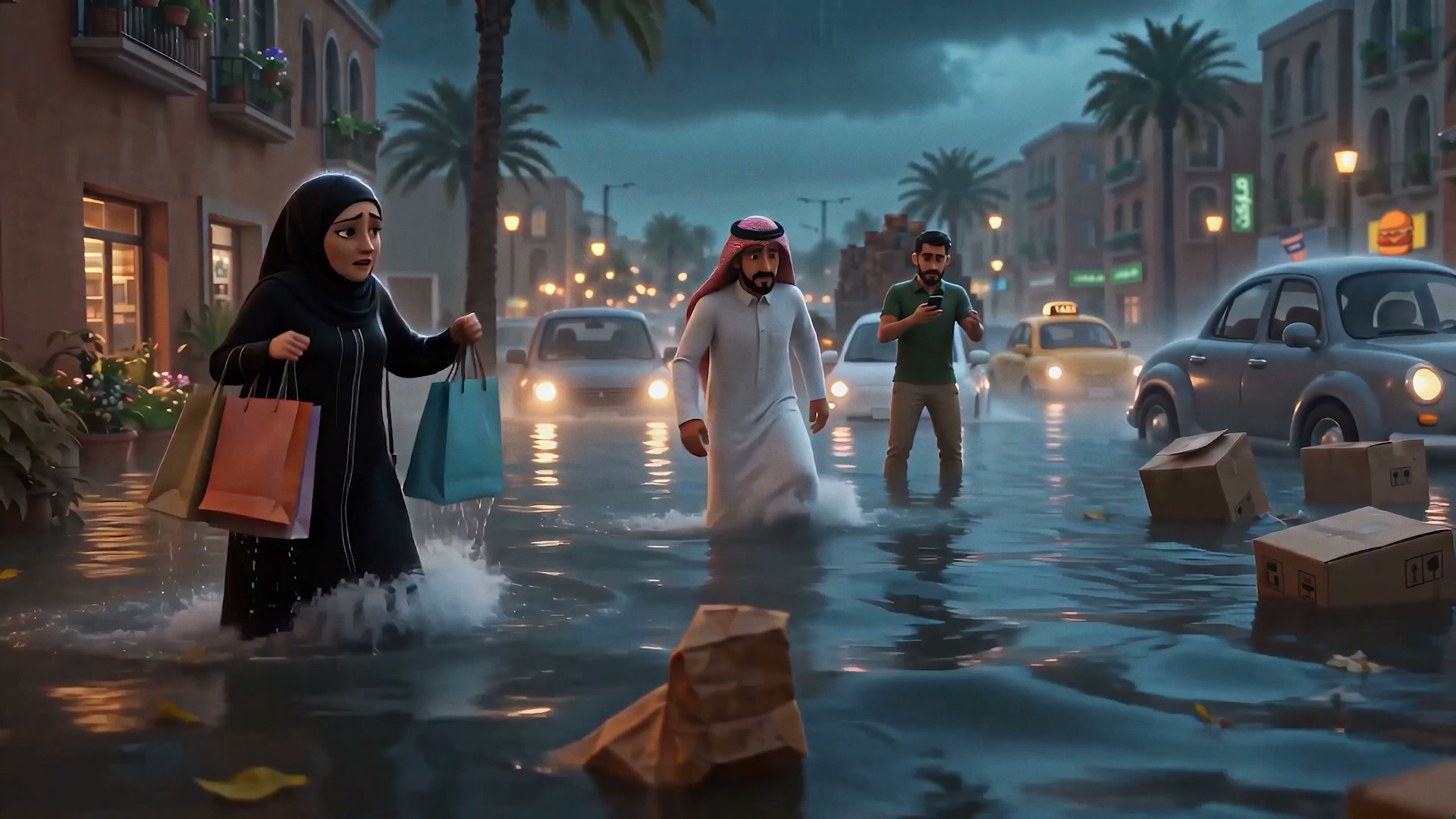
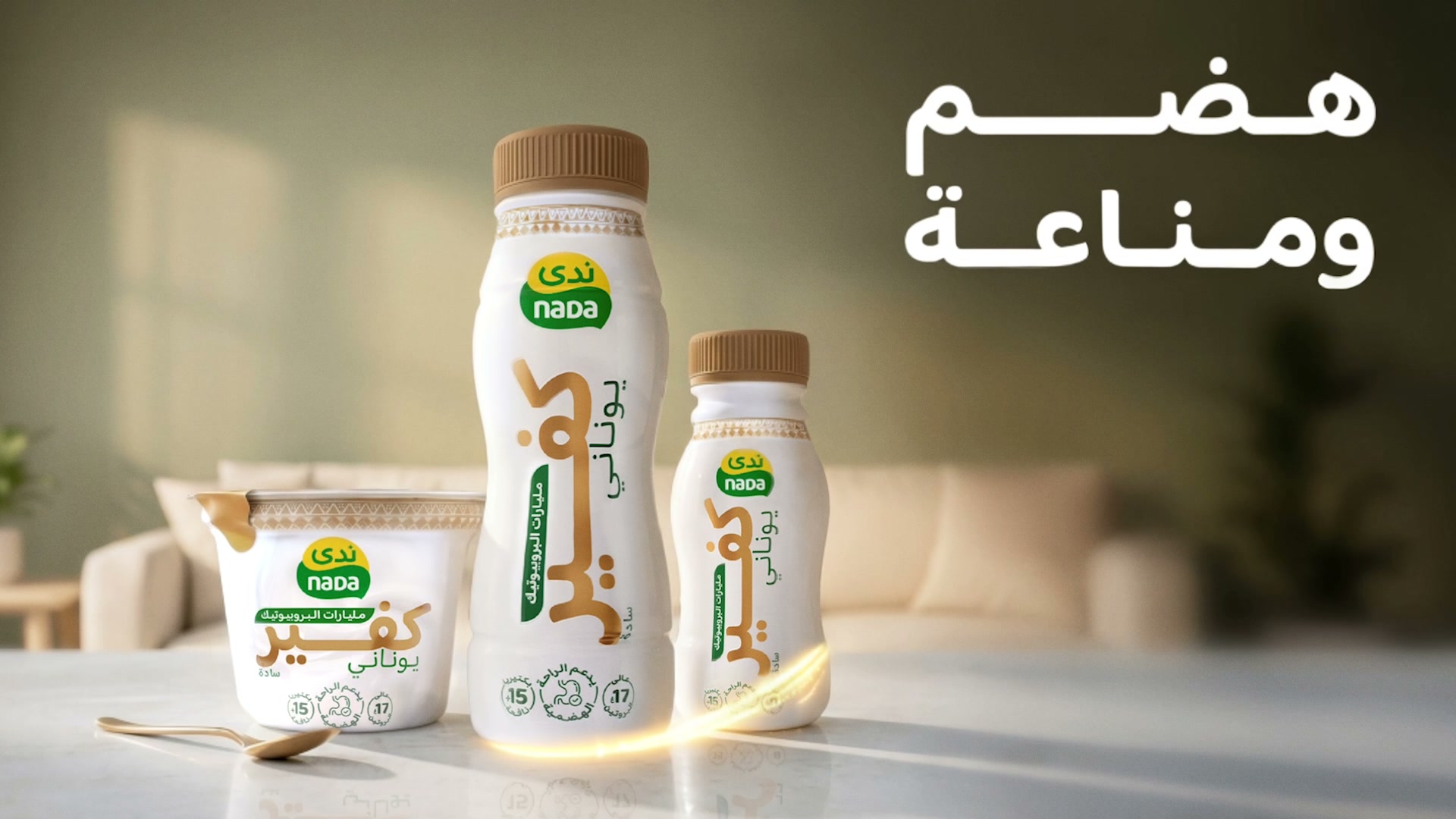
A real AI production runs the same stages a traditional shoot or CGI build would, just compressed: casting and character design, wardrobe and look development, art-directed environments and locations, keyframe review, then full animation, an original score and sound design. Sadara Studio's own Nada Greek Kefir launch film is the clearest evidence of that discipline: a full sample suite, casting, wardrobe, locations and a rendered shot, built in under 35 hours, with the finished 3D film delivered in a few effective weeks against a traditional CGI quote of roughly six months. A hospitality launch or a retail campaign for the Qatar market follows the same stages: the setting and cast are locked at the keyframe stage before full animation begins, so the brand is approving a near-final look well ahead of delivery, not waiting on a rough cut close to the deadline.
Getting the dialect and setting right for a Qatar audience
A film that reads as generically Gulf rather than genuinely Qatari loses the audience it is meant to win. Voice-over direction needs to specify Qatari-Khaleeji Arabic rather than defaulting to Modern Standard Arabic, and casting, wardrobe and interior or street references need to reflect what a Doha audience actually recognizes: a souq, a corniche setting, a mall interior, a majlis, rather than a placeholder Gulf backdrop. These are casting and direction decisions made at the brief stage, not adjustments made after the edit is locked. Sadara Studio's guide to Arabic brand film production across the Gulf covers how dialect, casting and setting get specified up front so the finished film reads as made for the market, not translated into it.
Serving Qatar hospitality and retail groups from a Saudi base
Sadara Studio is based in Riyadh and Jeddah and produces video for Qatar brands from there, not from a Doha office. Briefing, keyframe review and approvals run remotely, through the same structured stages, casting, environment, keyframes, final cut, that any Sadara Studio client works through, whether the brief lands in Riyadh or Doha. Delivered Saudi work, including the Nada Greek Kefir launch film, an original-track-led spec for BMW X6 and celebrity-led commercials for Al Tazaj, is the proof of that pipeline. For the wider picture of how the same remote-delivery model works across the region, see Sadara Studio's guide to evaluating an AI video production studio in the GCC.
Frequently asked questions
Does Sadara Studio have an office or team in Doha?
No. Sadara Studio is based in Riyadh and Jeddah and produces video for Qatar brands from there. Briefing, review and delivery run remotely, and the studio does not claim an office, entity or registration in Qatar.
Can an AI production actually get Qatari Arabic right, not just generic Gulf Arabic?
Yes, but only when it is a deliberate direction choice. Qatari-Khaleeji Arabic has to be specified at the brief stage, the same way casting or wardrobe would be, rather than left to default to Modern Standard Arabic or a generic Gulf read.
How fast can an AI-produced hospitality or retail film move compared to a traditional shoot or CGI build?
Meaningfully faster. A traditional CGI build typically needs months of modeling and rigging before a usable render exists. An AI production pipeline can show approved casting, environment and a rendered reference shot within days, then move through keyframe review to a finished film in weeks, without cutting the craft stages a hospitality or national-campaign brief needs.
What proof does Sadara Studio have of delivering real work, not just spec reels?
A fully AI-animated 3D launch film for Nada Greek Kefir, produced with agency partner Media Zone, an original-track-led spec for BMW X6, and delivered campaigns for Al Tazaj, AlBaik, Arabian Oud, Pilot Pen and Sign SmashBurger. All of it is real, delivered Saudi work, cited here as evidence of pipeline and craft rather than a claim of presence in Qatar.
Scope your Qatar campaign
If your hotel, retail group or national-campaign brief in Qatar is weighing a traditional production timeline against a faster alternative, the clearest way to judge the difference is to see the pipeline against your own brief. Talk to Sadara Studio about scoping a hospitality, retail or national-campaign film for the Qatar market.
Related Articles



Sadara
Studio

